10 Foods That Kill Bad Gut Bacteria Naturally:
Your gut is home to trillions of bacteria — some good, some harmful. When bad gut bacteria grow too much, they cause bloating, acne, fatigue, inflammation, mood swings, and even weight gain. Thankfully, nature offers powerful foods that naturally reduce harmful bacteria while feeding the good ones.
In this post, you’ll discover the 10 most effective foods that kill bad gut bacteria naturally, backed by nutrition science with tips to add them to your daily diet.
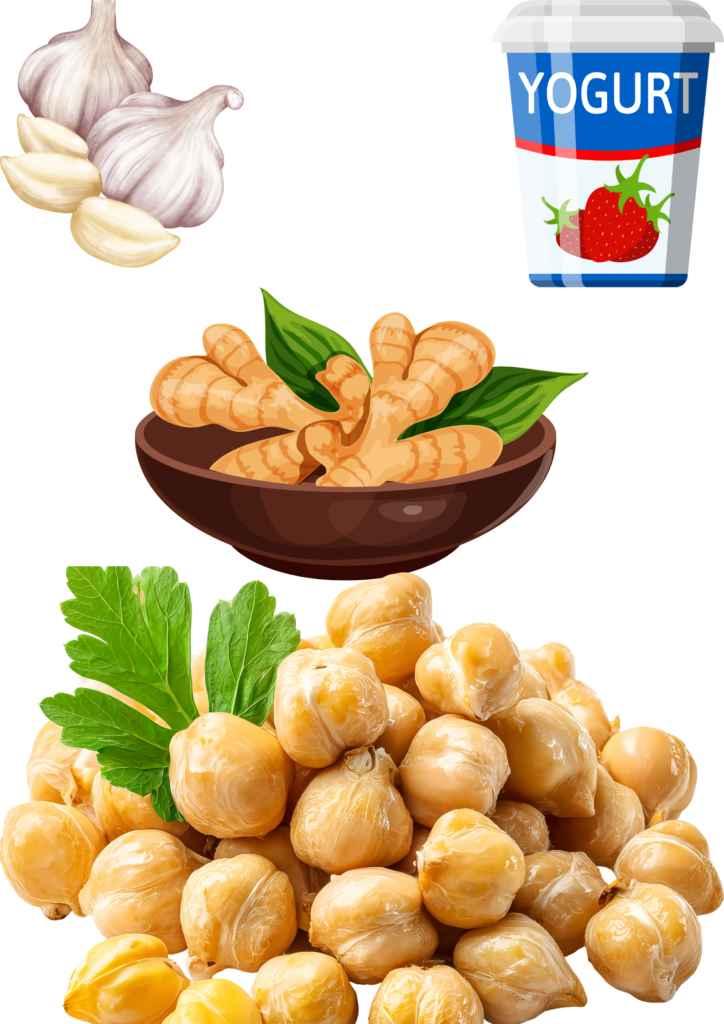
1. Garlic:
Nature’s Most Powerful Antibacterial Food
Garlic contains allicin, a natural compound proven to kill harmful bacteria, yeast, and pathogens in the gut. It doesn’t harm friendly bacteria — it supports them.
Benefits:
- Reduces harmful bacteria like E. coli.
- Acts as a natural antibiotic.
- Supports good bacteria growth.
How to use:
Add 1 raw or lightly cooked garlic clove to meals daily.
2. Ginger:
Anti-Inflammatory & Gut-Healing.
Ginger fights harmful bacteria while soothing the gut lining. It boosts digestion and helps maintain a balanced microbiome.
Benefits:
- Reduces inflammation.
- Supports stomach emptying.
- Helps control harmful bacteria.
How to use:
Add fresh ginger to tea, soups, smoothies, or warm water.
3. Yogurt (Probiotic-Rich):
Improves Gut Flora Balance
Yogurt contains live probiotic cultures such as Lactobacillus and Bifidobacteria, which fight bad bacteria and restore microbiome balance.
Benefits:
- Reduces overgrowth of harmful bacteria.
- Restores healthy gut flora.
- Improves digestion and immunity.
Tip: Choose plain, unsweetened yogurt with live & active cultures.
4. Apple Cider Vinegar:
Natural Antimicrobial
ACV helps kill bad bacteria due to its acetic acid content. It also improves digestion and stabilizes stomach pH.
Benefits:
- Kills harmful bacteria.
- Improves nutrient absorption.
- Reduces bloating.
How to use:
1 tsp ACV in warm water before meals. Start slowly.
5. Turmeric:
Anti-bacterial & Anti-inflammatory Superfood.
Curcumin in turmeric is scientifically proven to suppress harmful bacteria and reduce gut inflammation.
Benefits:
- Strong antibacterial properties.
- Heals gut lining.
- Reduces inflammation.
How to use:
Add turmeric to curries, soups, or golden milk.
6. Fermented Carrots (Halal, Vinegar-Free)
Naturally fermented carrots made in salted water produce beneficial lactobacillus probiotics that help kill harmful microbes.
Benefits:
- Provide gut-friendly probiotics.
- Reduce harmful bacterial overgrowth.
- Improve digestion.
Tip: Ferment 24–48 hours and refrigerate early to keep it halal.
7. Green Tea: Boosts Good Bacteria, Reduces Bad Bacteria
Green tea contains polyphenols that selectively kill harmful bacteria while supporting probiotic growth.
Benefits:
- Reduces harmful bacteria like Clostridium.
- Increases good bacteria like Bifidobacteria.
- Reduces gut inflammation.
How to use:
1–2 cups daily.
8. Fermented Vegetables (Halal, Homemade Options)
Naturally fermented vegetables contain beneficial bacteria that overpower bad bacteria.
Examples:
- Homemade fermented carrots.
- Beetroot kanji (short fermentation, halal-friendly)
- Saltwater pickled vegetables.
- Lacto-fermented cabbage (sauerkraut style, vinegar-free).
Benefits:
- Introduce beneficial probiotic strains.
- Reduce harmful bacteria.
- Improve digestion.
Tip: Choose vinegar-free lacto-fermented options.
9. Lentils & Chickpeas:
Feed Good Bacteria.
These foods contain prebiotic fibers that bad bacteria cannot digest — but good bacteria love.
Benefits:
- Grow Bifidobacteria and Lactobacilli.
- Reduce harmful bacteria naturally.
- Improve stool regularity and digestion.
How to use:
Add lentil soup, chickpea salad, or hummus to meals.
10. Blueberries:
Gut-Protective Antioxidant-Rich Food.
Blueberries contain polyphenols that suppress harmful bacteria while supporting beneficial species.
Benefits:
- Reduce toxin-producing bad bacteria.
- Support gut cleansing.
- Improve skin, immunity, and inflammation.
How to use:
Handful daily — fresh or frozen.
Bonus:
Foods to Avoid (They Feed Bad Gut Bacteria).
To truly heal the gut, avoid foods that promote harmful bacteria:
- Excess sugar
- Refined foods
- Fried foods
- High-fat processed meats
- Artificial sweeteners
- Alcohol
- Soda
These disrupt the balance and increase harmful bacteria.
How to Build a Daily Gut-Healing Routine:
Here’s a simple daily gut routine:
Morning → Warm water + ginger or green tea.
Breakfast → Yogurt.
Lunch → Lentils, chickpeas, or whole grains.
For complete meal plan that is gut friendly visit the link below and download your gut friendly 7 day meal plan for free.
FAQs:
Q1: Can I heal my gut without crazy diets?
Yes! You just need the right foods—no extreme restrictions required.
Q2: Which foods fight bad gut bacteria?
Garlic, Ginger, Turmeric, Onions, Asparagus, Green Tea , Apple, Cider Vinegar.
Q3: How much should I eat daily?
Start small: 2–3 of these foods per day is enough to see benefits.
Q4: What happens if I add them to my diet?
Reduced bloating
Better digestion
Healthier skin
More energy.
Q5: Do I still need supplements?
Not necessarily. Whole foods nourish your gut naturally, but probiotics can be an extra boost.
Conclusion:
Healing your gut doesn’t require extreme diets — just the right foods. These 10 foods that kill bad gut bacteria naturally help restore your microbiome, reduce inflammation, improve digestion, and even enhance skin health. Start by adding 2–3 of these foods daily and enjoy a healthier, lighter, more energized body.