Your brain doesn’t just run on thoughts — it runs on fuel. What you eat every day has a huge impact on memory, mood, focus, and emotional balance. If you’ve ever felt sluggish after a heavy meal, or suddenly clearer when eating something fresh and nutrient-rich, you’ve already experienced the gut-brain connection in action. In this guide, we’ll cover the best foods for brain health and mood, backed by research, and show practical ways to add them to your meals so you can feel sharper, calmer, and more balanced — without expensive supplements. So, let’s tap into it.
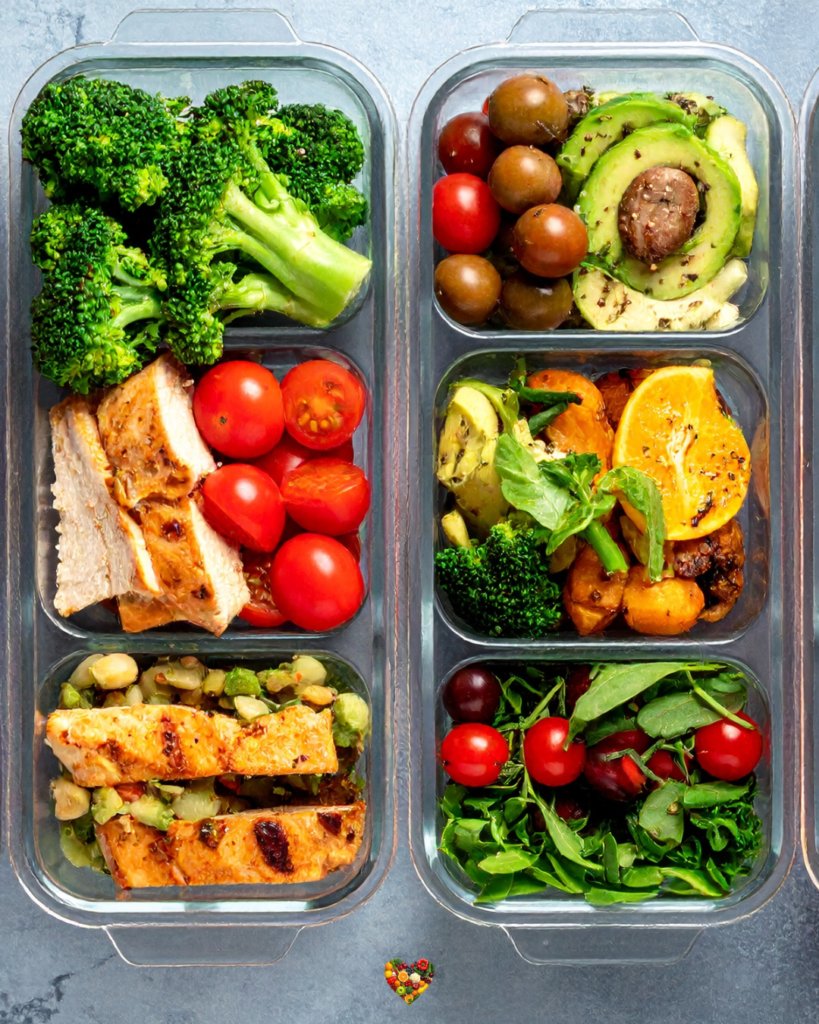
What Does Brain Health Really Mean?
“Brain health” isn’t just memory — it’s about:
- Cognitive function (thinking clearly).
- Emotional balance (stable mood, less anxiety).
- Focus and attention.
- Long-term brain protection (slowing age-related decline).
The foods you choose affect:
✔ Neurotransmitters like serotonin and dopamine.
✔ Inflammation in the brain.
✔ Blood flow and oxygen delivery.
✔ The gut-brain axis (your gut actually influences mood).
Why Diet Matters for Mood and Memory:
Scientific studies consistently show that diets rich in whole, unprocessed, nutrient-dense foods support brain structure and chemistry. Certain nutrients like omega-3 fatty acids, antioxidants, B-vitamins, and polyphenols play a key role in neurotransmitter production and cell protection.
The main takeaway:
Food is information for your brain, not just calories and the best foods for brain health and emotional balance give it the right kind of information.
1. Fatty Fish — Omega-3 Powerhouse:
One of the most widely recommended foods for brain health is fatty fish such as salmon, sardines, trout, and mackerel. These fish are rich in omega-3 fatty acids — especially DHA and EPA — which are essential for building brain and nerve cell membranes.
Benefits:
- Supports memory and learning.
- Helps mood regulation.
- Reduces inflammation linked to cognitive decline.
How to eat it:
Grilled salmon with greens, sardines in a salad, or trout for dinner twice a week.
2. Berries ( Antioxidant Boosters):
Berries like blueberries, strawberries, and raspberries aren’t just sweet — they’re packed with flavonoids and antioxidants that protect brain cells from oxidative stress and inflammation.
Benefits:
- May slow age-related memory decline.
- Supports dopamine & serotonin balance.
- Enhances communication between brain cells.
Add a handful to your morning yogurt or smoothie 3–4 times a week.
3. Nuts & Seeds — Mood and Memory Support:
Nuts and seeds such as walnuts, almonds, chia seeds, and flaxseeds supply healthy fats, vitamin E, magnesium, and antioxidants — all crucial for brain health and emotional balance. Walnuts, in particular, contain plant-based omega-3s linked with cognitive benefits.
Benefits:
- Supports long-term brain health.
- Protects against oxidative damage.
- Helps emotional balance.
How to eat them:
Sprinkle a mix over oatmeal or salads, or enjoy a small handful as a snack.
4. Leafy Greens — Brain Protectors:
Vegetables like spinach, kale, and broccoli are rich in vitamins K, folate, and antioxidants — nutrients associated with memory and cognitive performance.
Benefits:
- Slows cognitive decline.
- Boosts memory function.
- Supports nerve health.
Try a big green salad daily or sautéed greens with garlic and olive oil.
5. Dark Chocolate — Sweet Brain Support
Yes, chocolate can be good for your brain, as long as it’s dark and low in sugar. Dark chocolate contains flavonoids, caffeine, and antioxidants that may improve blood flow to the brain and enhance focus.
Benefits:
- Boosts mood and energy.
- Supports focus and alertness.
- Rich in flavonoids that protect brain cells.
Aim for 1–2 squares of 70%+ cocoa per day for a brain-friendly treat.
6. Whole Grains — Steady Brain Fuel:
The brain runs on glucose, and whole grains like oats, quinoa, brown rice, and whole wheat provide a steady source of energy without blood sugar spikes.
Benefits:
- Sustained mental energy.
- Rich in B vitamins.
- Supports neurotransmitter production.
Swap sugary breakfast cereals for oatmeal with berries and seeds.
7. Eggs — Choline and Neurotransmitters:
Eggs are a great source of choline, a nutrient used to make acetylcholine, a neurotransmitter involved in memory and mood.
Benefits:
- Supports memory formation.
- Provides essential B vitamins.
- Helps mood regulation.
Tip: Enjoy boiled, scrambled, or as part of a veggie omelet.
8. Turmeric — Anti-Inflammatory Spice:
Turmeric, especially its active compound curcumin, is a powerful anti-inflammatory that crosses the blood-brain barrier and supports serotonin and dopamine production.
Benefits:
- Reduces brain inflammation.
- May improve mood.
- Can support memory.
Add turmeric to soups, curries, or blend into golden milk.
9. Fermented Foods:
There’s growing evidence that your gut microbiome influences mood and brain health through the gut-brain axis. Fermented foods like yogurt promote beneficial bacteria that may elevate serotonin levels.
Benefits:
- Supports gut health and mood.
- May reduce anxiety symptoms.
- Nourishes brain-gut connection.
10. Citrus Fruits — Vitamin C Boost:
Citrus fruits such as oranges, grapefruits, and lemons are high in vitamin C, an antioxidant that helps fight oxidative stress and supports emotional balance.
Benefits:
- Reduces stress.
- Supports immune and brain health.
- Adds fresh flavor to your diet.
Drinking lemon water or having fresh fruit snacks is an easy way to help your brain.
Practical Tips for Everyday Brain Health:
✔ Combine foods in meals (e.g., salmon with leafy greens + berries).
✔ Stay hydrated (dehydration affects focus and mood).
✔ Balance protein, healthy fats, and fiber.
✔ Avoid sugary, processed foods — they impair mood and energy.
✔ Pair nutrition with exercise and sleep for best results.
Diet alone doesn’t create instant brain power — but consistent eating patterns do support long-term cognitive strength and emotional stability.
FAQs:
Q1. What foods improve memory and focus?
Foods rich in omega-3s (fatty fish), antioxidants (berries, dark chocolate), and vitamins (leafy greens) are linked with improved memory and focus.
Q2. Can diet really affect my mood?
Yes — foods influence neurotransmitters. Omega-3 fatty acids, B vitamins, and antioxidants support serotonin and dopamine production, which are tied to mood.
Q3. How often should I eat brain-healthy foods?
Aim for daily inclusion of at least one brain-boosting food (e.g., berries, nuts, fish), and several per week for best cumulative benefits.
Q4. Are supplements better than food for brain health?
Whole foods provide a range of nutrients that work synergistically. Supplements can help, but they shouldn’t replace a balanced diet.
Final Thoughts:
Making simple changes like swapping in fatty fish, colorful berries, leafy greens, and nuts can have a powerful cumulative effect on your mental clarity, mood balance, and overall brain health. Eating these best foods for brain health and emotional balance regularly — along with good sleep and movement gives your mind the foundation it needs to thrive every day.
Read our blog post on “How gut health effects hormones in women”.